11.5.2026
Collaboration at Every Stage: Inside EDA Project Management
This International Project Management Day, hear from EDA’s Eddie DeAngelis and Jason Merlo on the collaboration, communication, and expertise that keep projects moving forward.
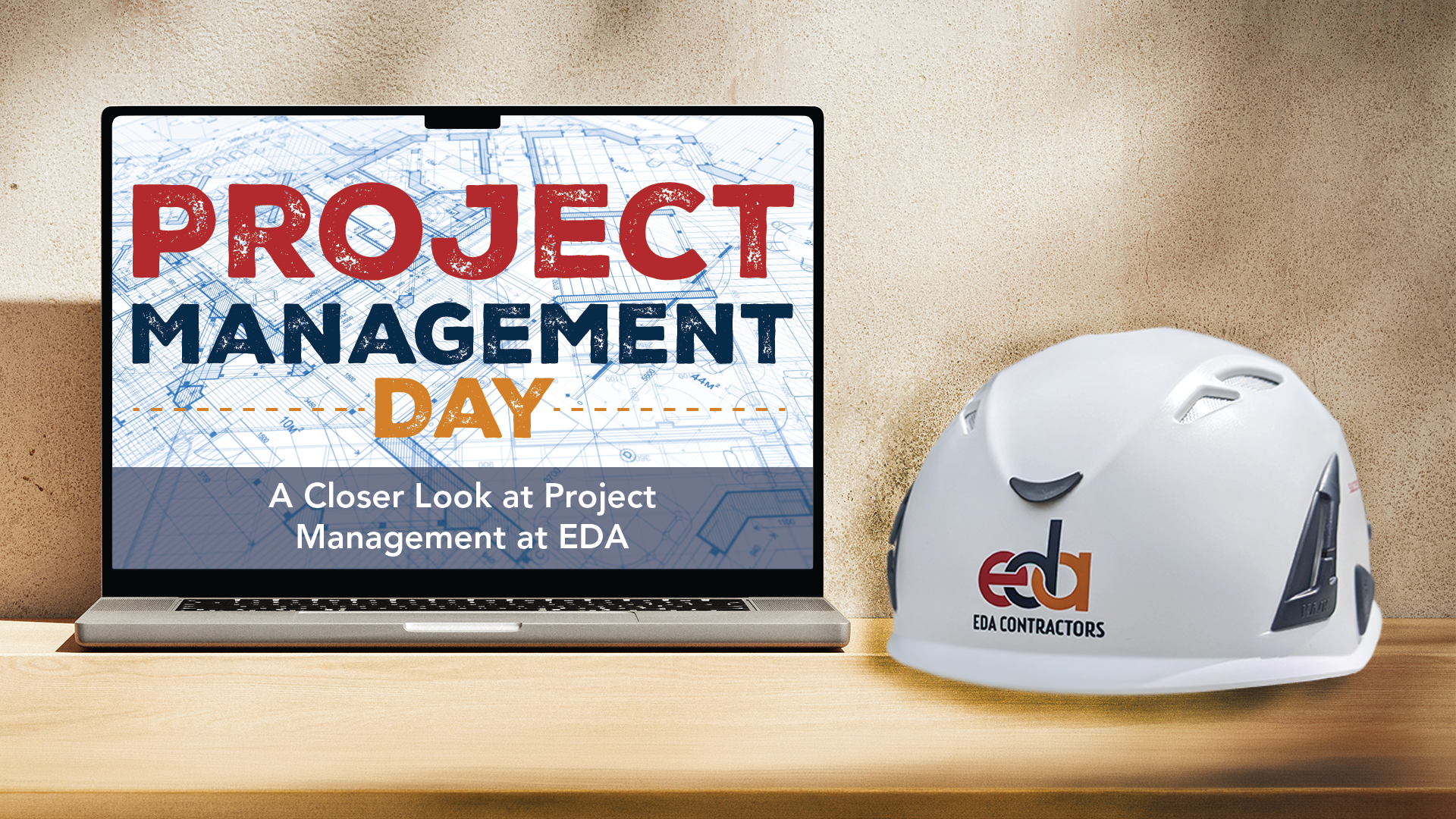
An EDA Contractors project can involve several trades, teams, and decisions moving at once. Project managers help keep everyone connected throughout the process, from coordinating with customers and engineering to working through questions with the field.
On International Project Management Day, two EDA Directors of Project Management Eddie DeAngelis and Jason Merlo shared what that responsibility looks like in practice.
Bringing Teams Together
Eddie calls the project manager the “Chief Collaborator.” In his words, the job is to bring the right people into the conversation early, make sure their input helps shape the plan, and follow through so everyone knows what was decided and who owns the next step. For Jason, that coordination runs from project startup to closeout and includes managing schedules, financials, and customer communication.
The daily work changes with each project. A project manager might be preparing one job to start while tracking installation on another and closing out a third. Much of the time goes toward customer calls and updates, schedule reviews, internal coordination, and working with field teams to resolve questions or confirm progress. Jason also points to weekly tactical meetings as a way to keep departments aligned and projects moving.
That coordination is especially important on multiscope projects, where one trade’s work can affect another’s. EDA project managers help teams agree on sequencing and clarify what each group needs from the others. Regular conversations with our in-house engineering team help keep shop drawings aligned across systems, while early input from field crews helps ensure the plan can be built as designed.
In-House Expertise, Within Reach
“Be confident in what you do know, but be even more confident in what you don’t know,” Eddie tells his team. Knowing when to ask questions and involve a specialist is part of the job. EDA’s engineering team, fabrication shop, and other in-house experts give project managers direct access to people who can help resolve technical questions, respond to field changes, and explore value engineering opportunities.
That access helps project managers bring the right expertise into a decision early. When a customer needs information to move forward, the team can work through options with engineering, the shop, and the field together—so everyone understands what’s affected and what needs to happen next.
Communication That builds Trust
Both directors point to communication as central to the role. Eddie calls it “no surprises”: being clear about what’s changing, what’s still unresolved, and where help is needed. Jason describes the project manager’s responsibility as keeping expectations clear inside the company and with the customer. When the people doing the work are heard early, their experience can shape a detail, a sequence, or a fabrication decision before it becomes a larger issue.
When something does go wrong, the project manager has to own the response. That means being direct about what happened, informing the people affected, bringing the right people together, and staying with the issue until it’s resolved. It’s not always the easiest part of the job, but how a team responds is a big part of how it earns trust.
For our customers, strong project management means clear communication, coordinated work, and a team that stays engaged through every stage of the job. We’re grateful to Eddie, Jason, and EDA’s project management team for the knowledge and commitment they bring to each project and for the trust they build along the way.

Ready to begin your next project?