7.17.2026
The EDA Advantage in Action at the Route 120 Pedestrian Bridge
See how EDA’s multi-trade expertise, in-house engineering, and fabrication helped bring the Route 120 Pedestrian Crossing Bridge to life ahead of the FIFA World Cup Final.
.jpg)
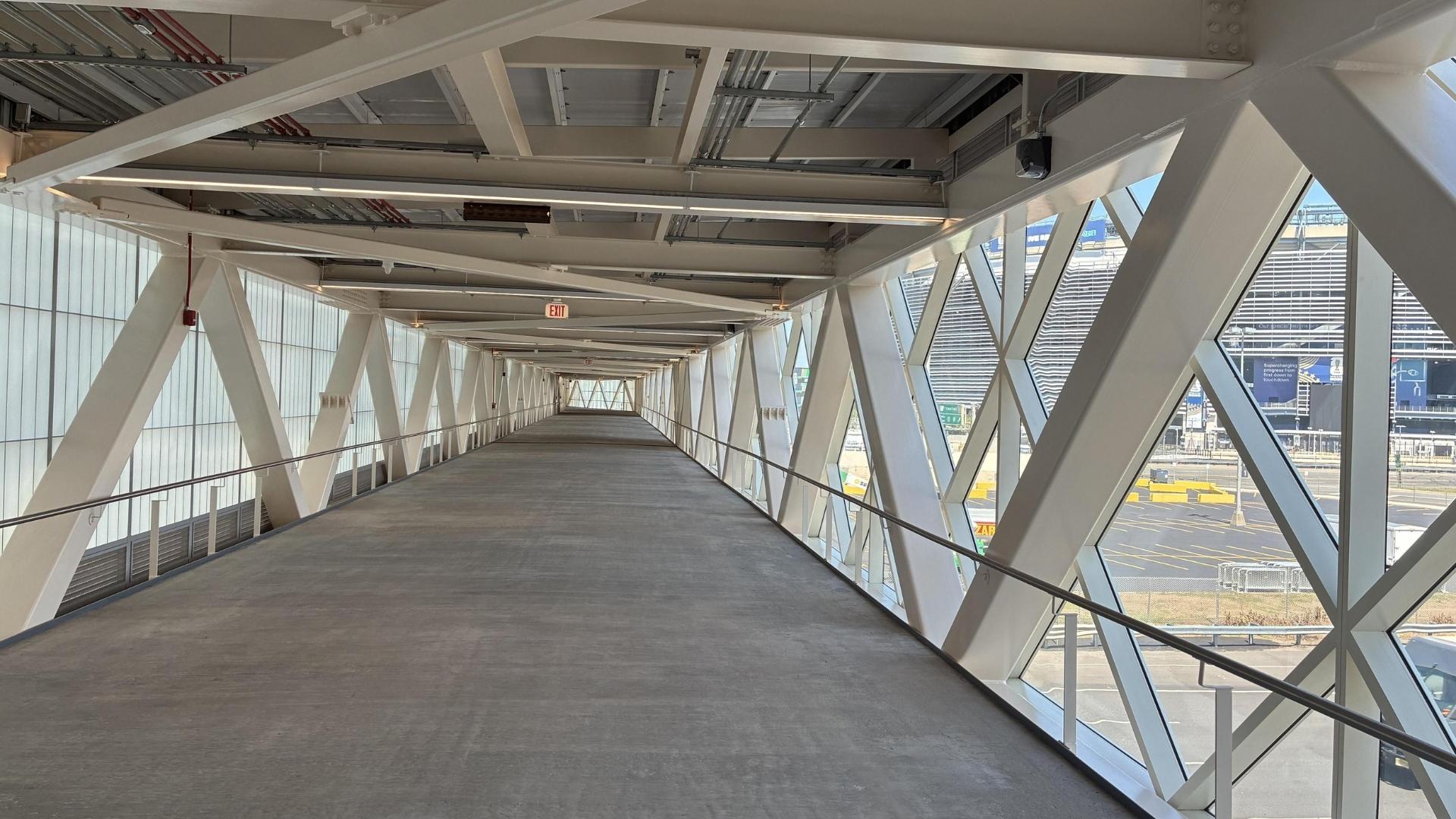
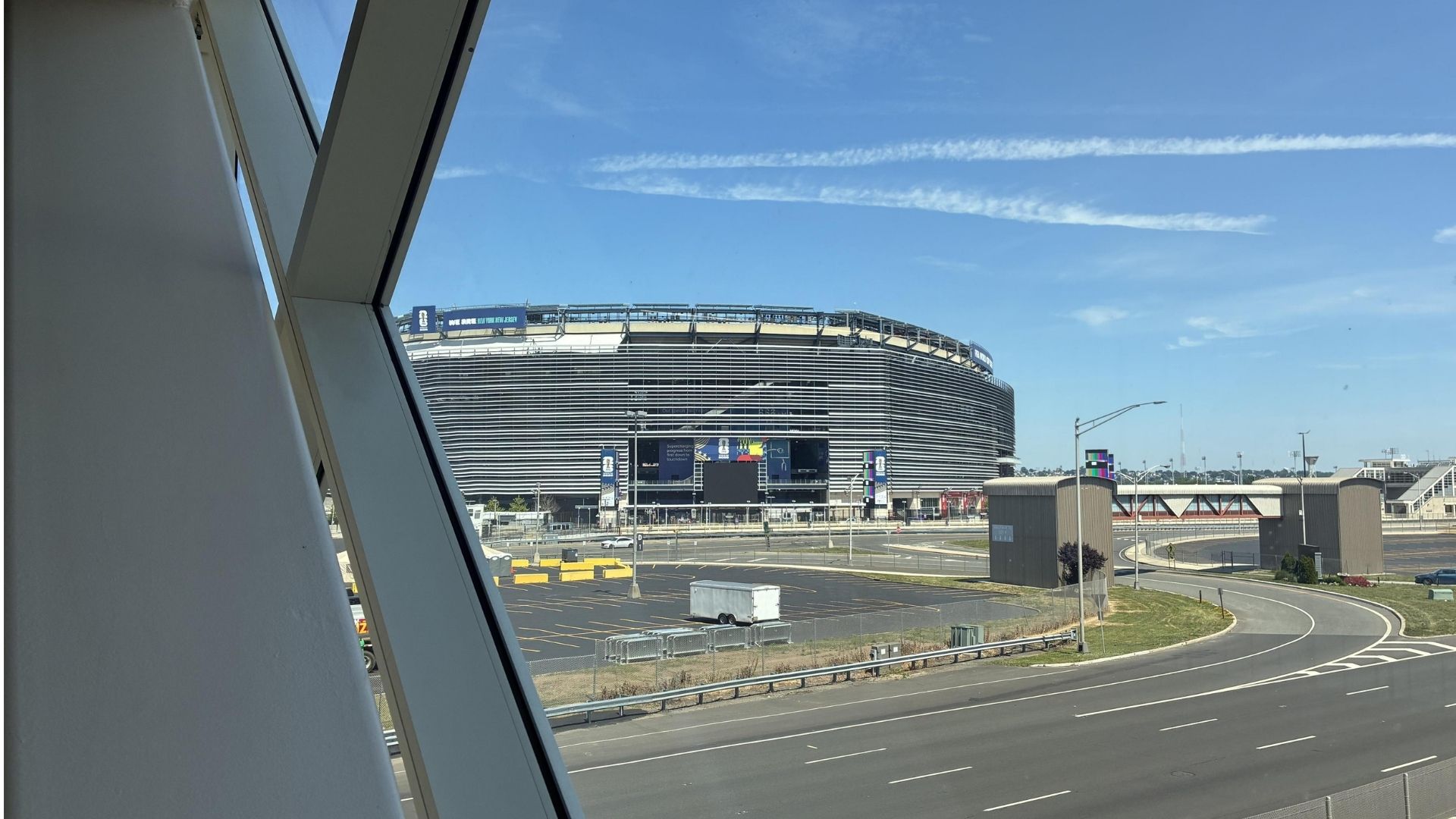
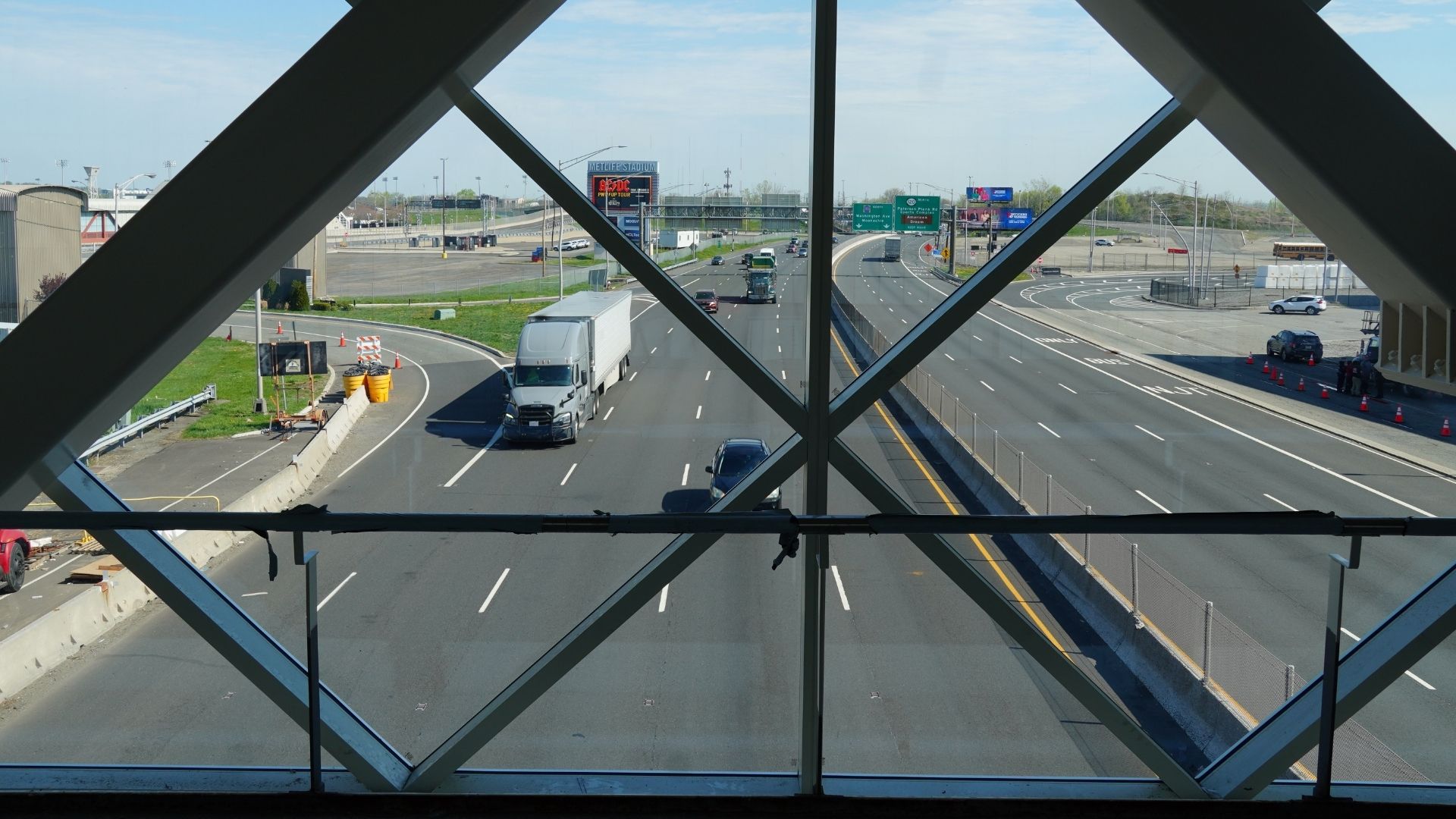
Driving along Route 120 in East Rutherford, New Jersey, MetLife Stadium and American Dream sit on opposite sides of the highway. Connecting the two destinations is the NJSEA Route 120 Pedestrian Crossing Bridge, a major piece of infrastructure designed to support pedestrian access between them.
For EDA Contractors, the project is a strong example of the EDA Advantage, bringing together multiple trades, in-house engineering, and specialized fabrication to deliver a highly coordinated exterior package.
Multiple Trades, One Team
EDA’s Architectural Glass & Metal and Carpentry teams worked together across several critical scopes of the bridge enclosure.
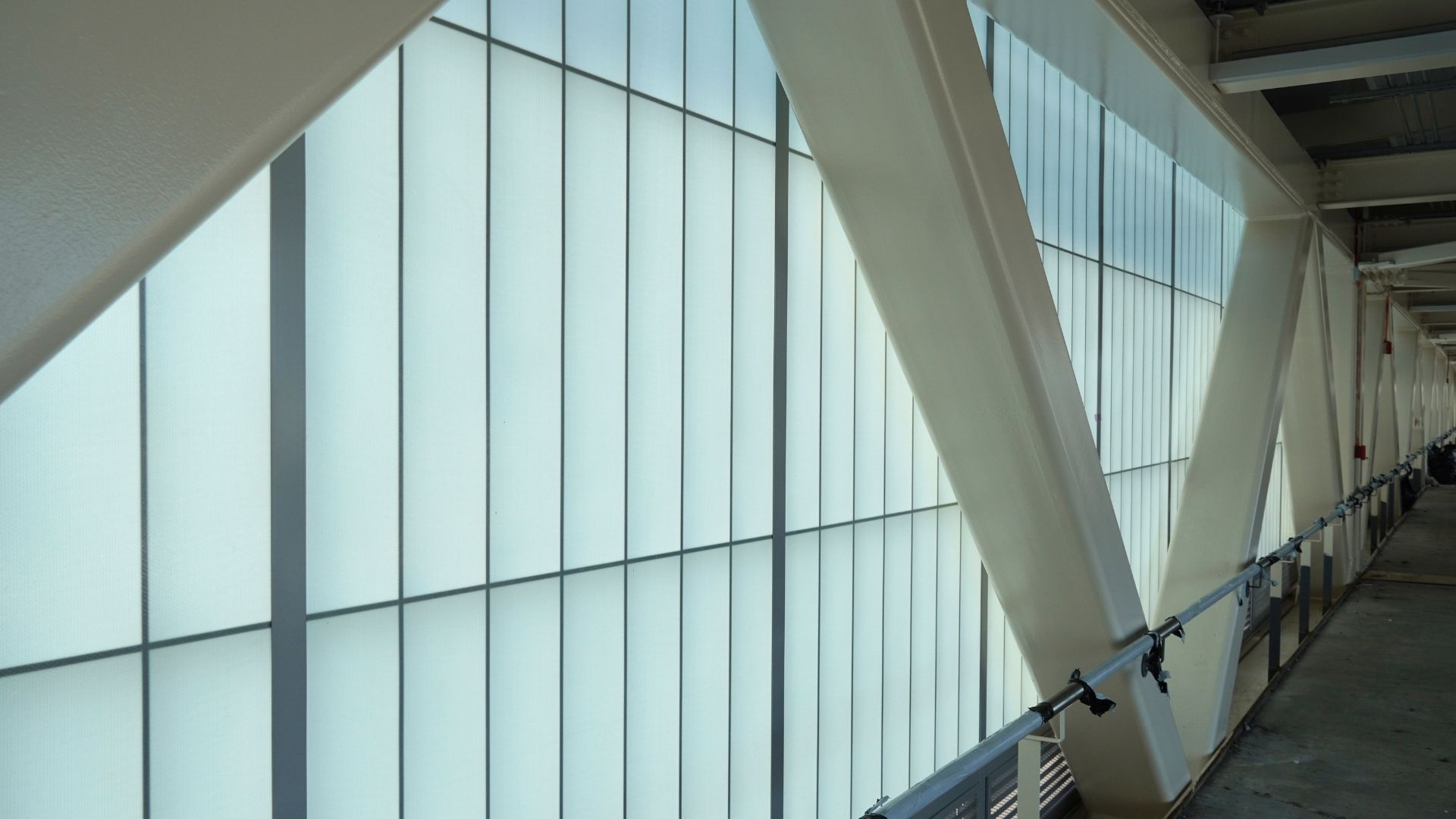
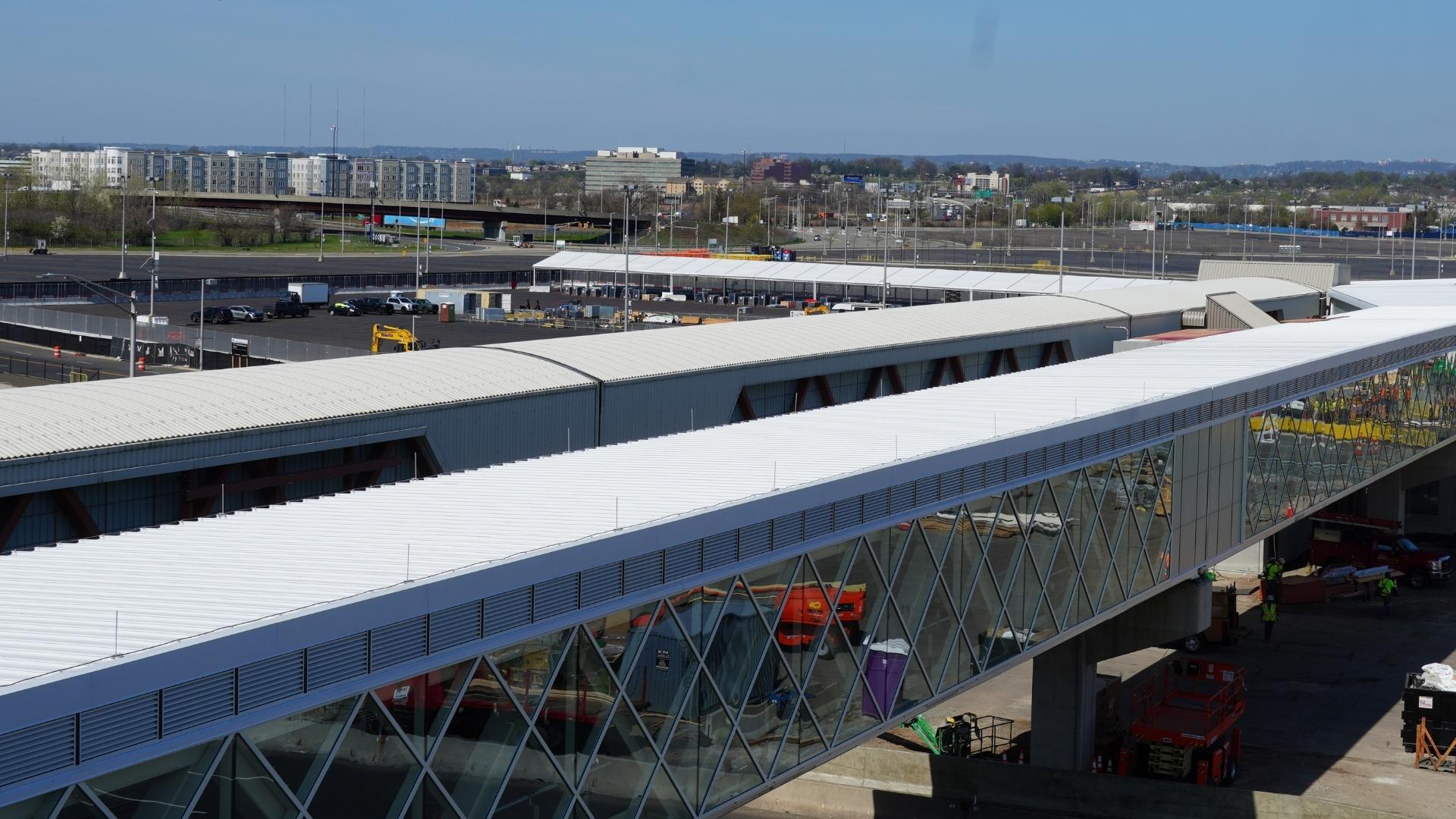
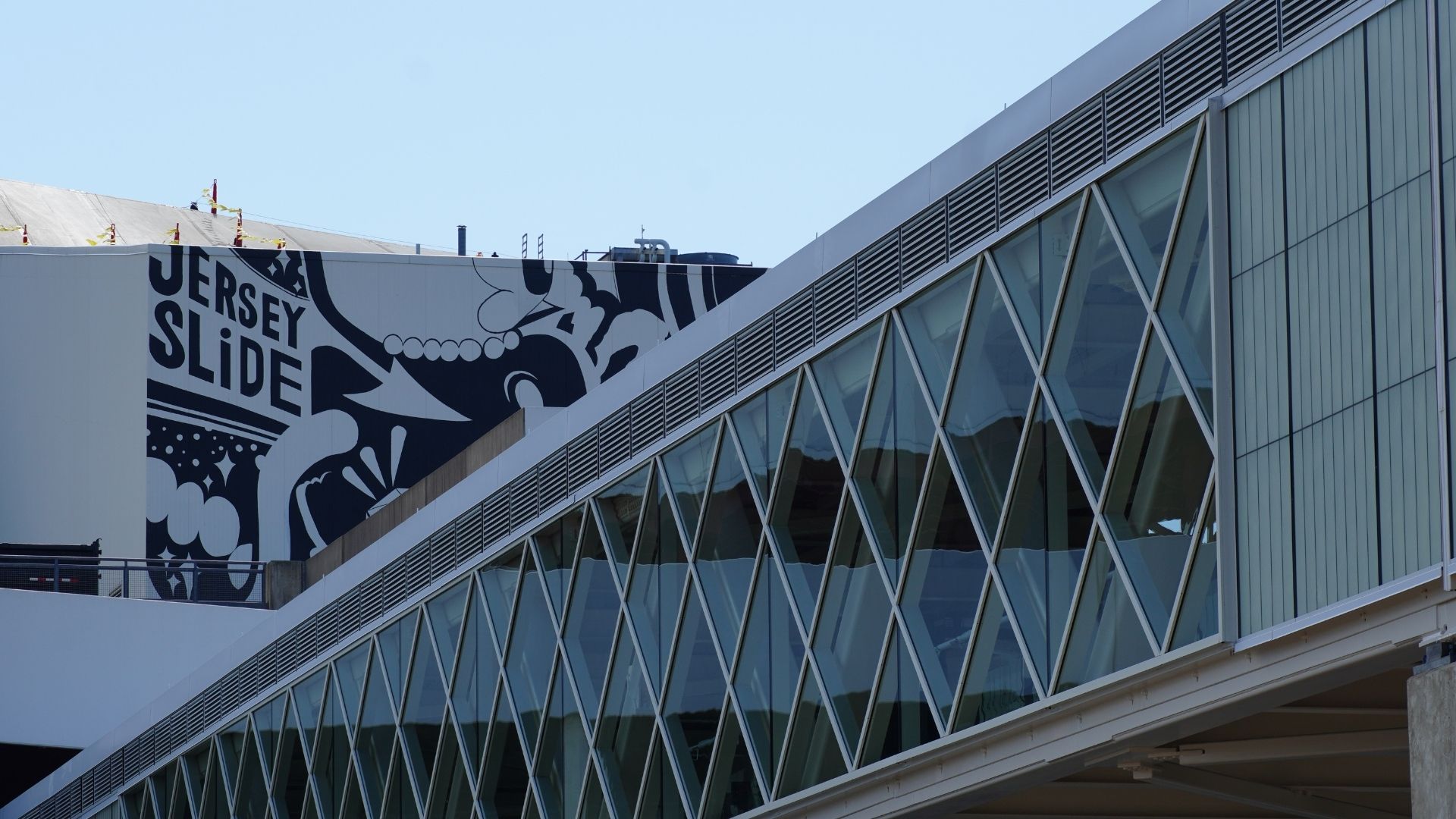
The project included translucent wall panels, architectural glazing, standing seam roofing, curtain wall systems, and ACM panels. With multiple trades working under one contractor, EDA was able to coordinate transitions between systems more closely and keep communication streamlined throughout the project.
That collaboration helped reduce gaps between scopes and created a more connected process from fabrication through field installation.
In-House Engineering
The bridge’s lattice curtain wall system required a high level of precision, with very few repeating angles and little room for variation.
Using preliminary shop drawings, EDA’s team developed detailed fabrication drawings and cutting schedules for each component. AutoCAD was used alongside an Excel-based program that converted part dimensions and quantities into optimized cutting plans.
The team also designed approximately 50 unique shear block configurations using aluminum angle stock and solid bar. These custom components created secure connections without exposed fasteners while accommodating the bridge’s complex geometry.
By completing this work in-house, the engineering and fabrication teams could communicate directly and respond quickly as challenges arose.
Precision Fabrication in Bensalem
Stock material arrived from the manufacturer in 24-foot lengths and was processed at EDA’s Bensalem fabrication facility.
Straight and square cuts were completed using a 600-millimeter upcut saw with a computer-controlled stop positioning system. More complex single and double miter cuts, however, required careful manual layout and hands-on craftsmanship.
Using digital angle finders, tape measures and detailed cutting schedules, the team fabricated each piece to extremely tight tolerances. A small deviation in angle or length could affect alignment across an entire 12-foot-by-12-foot frame section.
Once cut, the components were assembled into ladder sections to make field installation more efficient. Gaskets and accessories were also installed in advance wherever possible before the completed assemblies were packaged in custom-built crates.
Because of the height of the lattice curtain wall sections, specialized low-bed trailers were required to transport them safely to the job site.
Coordination Behind the Finished Product
By bringing multiple trades together and supporting them with in-house engineering and fabrication, EDA created a coordinated process from the first drawing through final installation. As the world turns its attention to MetLife Stadium for the FIFA World Cup Final on Sunday, the Route 120 Pedestrian Crossing Bridge will stand as a clear example of the expertise behind the infrastructure connecting fans to the action.

Ready to begin your next project?