7.23.2026
Preserving the Details of the Hoboken Ferry Terminal
See how EDA’s Historical Restoration team is recreating intricate copperwork to preserve the character of the Hoboken Ferry Terminal.
.jpg)
Restoring a historic building begins with understanding what can be saved. At the Hoboken Ferry Terminal, each architectural component was evaluated to determine whether it could be preserved, repaired or needed to be recreated. This piece-by-piece assessment established the path forward for the restoration, a process explored in greater detail in an earlier article.
Ever since the initial evaluation, that planning has been taking shape through the specialized fabrication work at EDA's Ewing facility.
From Hoboken to Ewing and Back Again
The Hoboken Terminal is a landmark transportation facility that originally opened in 1907. It's historical exterior includes intricate copperwork and architectural details that have been exposed to the elements for more than a century.
The restoration requires significant coordination. Components are carefully removed from the terminal, transported to Ewing and then preserved, repaired, or recreated by EDA's Historical Restoration team. Once the work is complete, the pieces must be transported back to Hoboken and reinstalled to their original locations.
With numerous components moving between the project site and the shop, every step depends on detailed planning, documentation, and communication.
Recreating Historic Copperwork
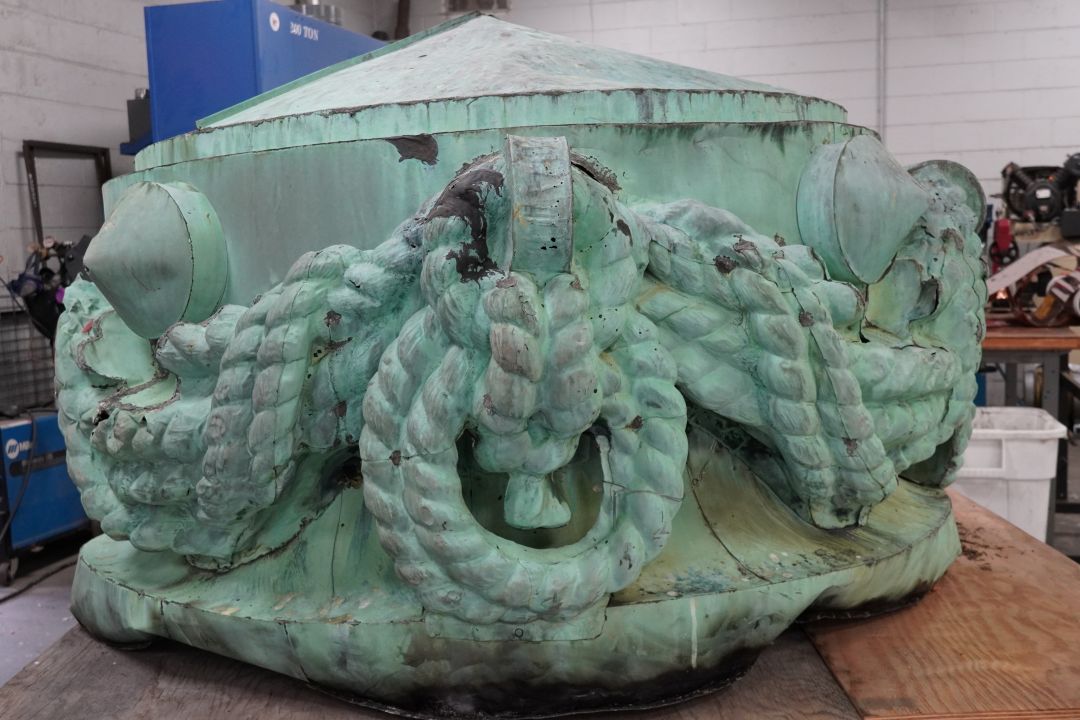
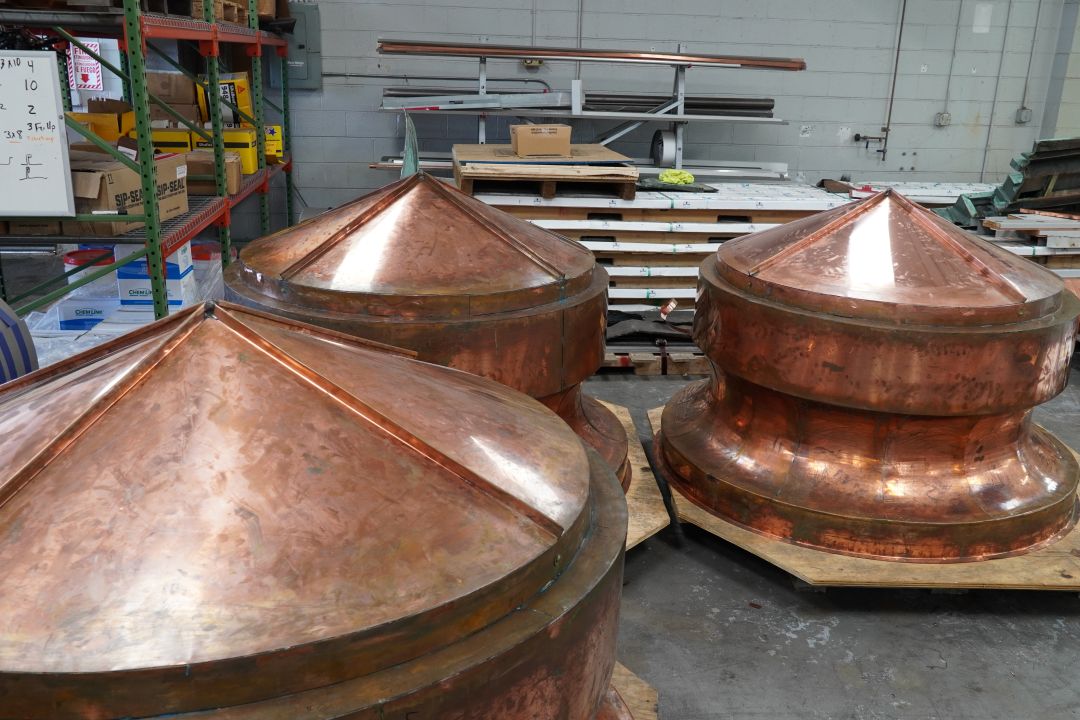
Currently, the team is fabricating new pieces for the terminal. The original green, patinated piece, weathered by decades of exposure, serves as the guide for its replacement.
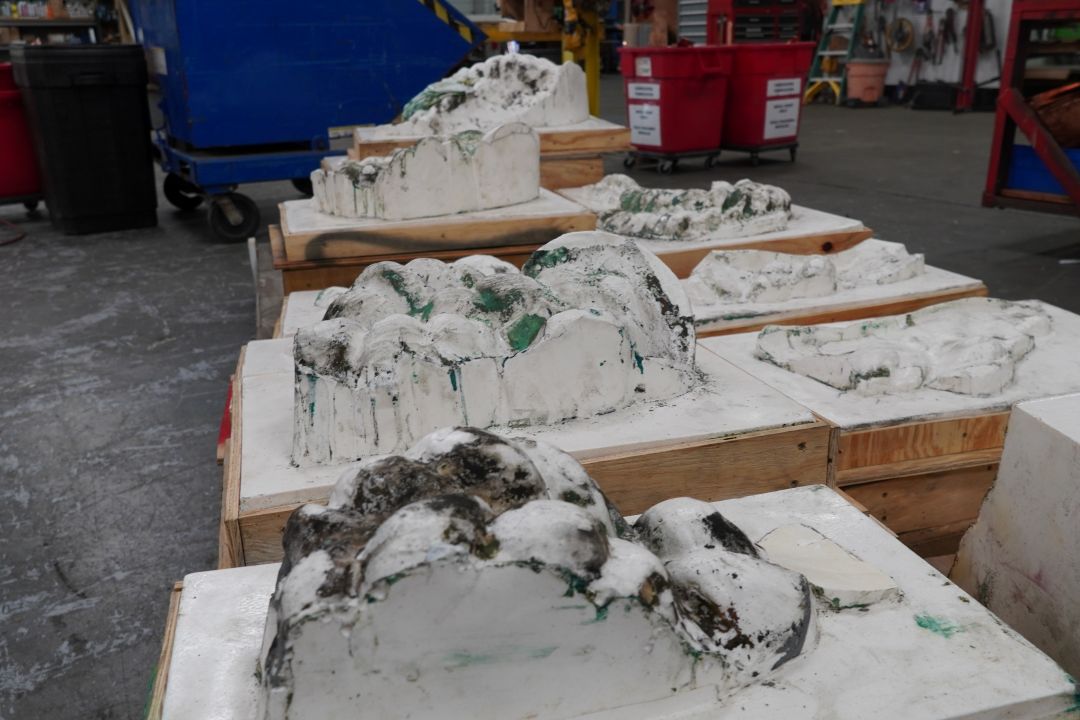
Rather than creating a modern interpretation, the team is working to reproduce the original shape, proportions, and ornamental details as closely as possible. Molds and templates taken from the historic components help guide the fabrication process and ensure the newly created pieces remain consistent with the terminal's original character.
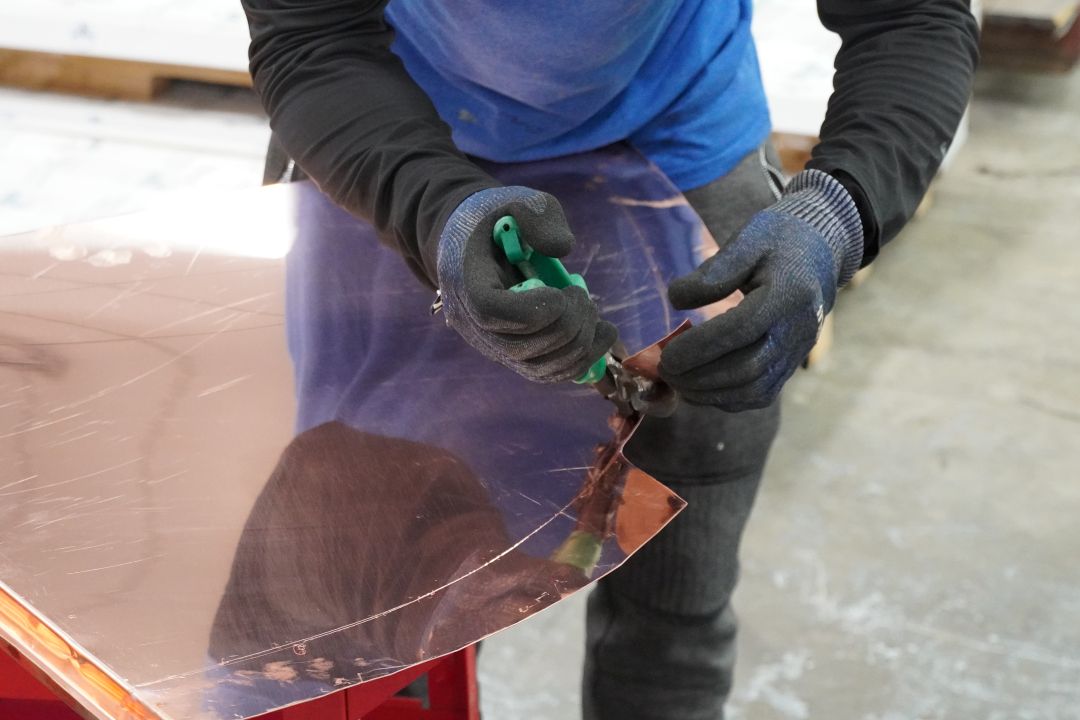
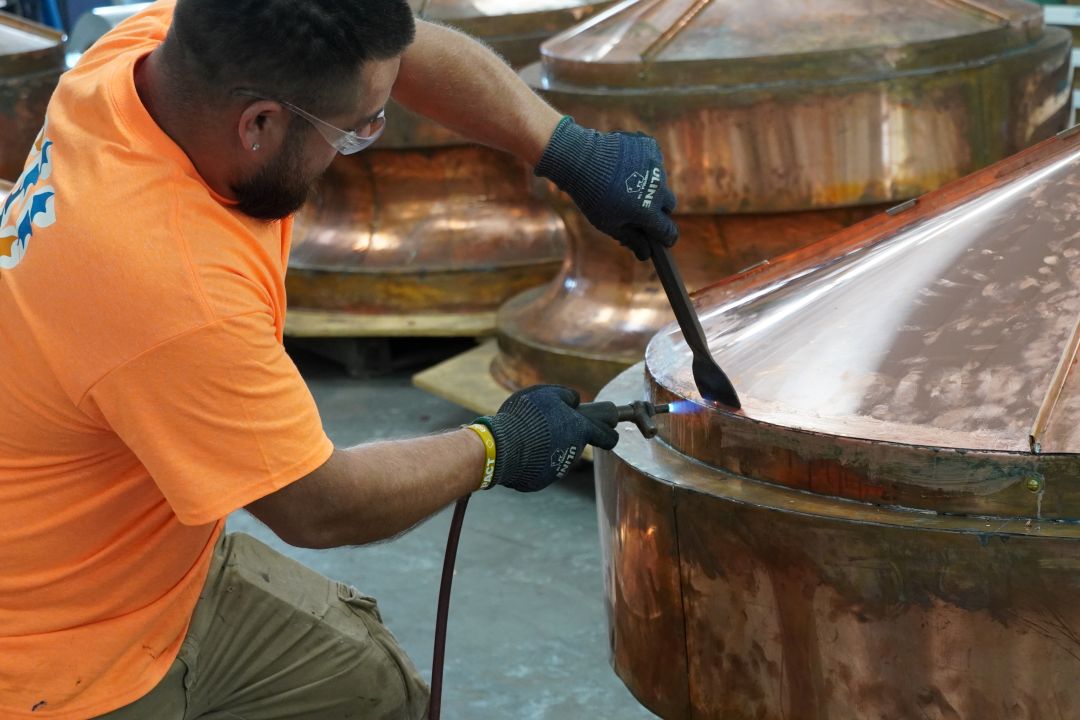
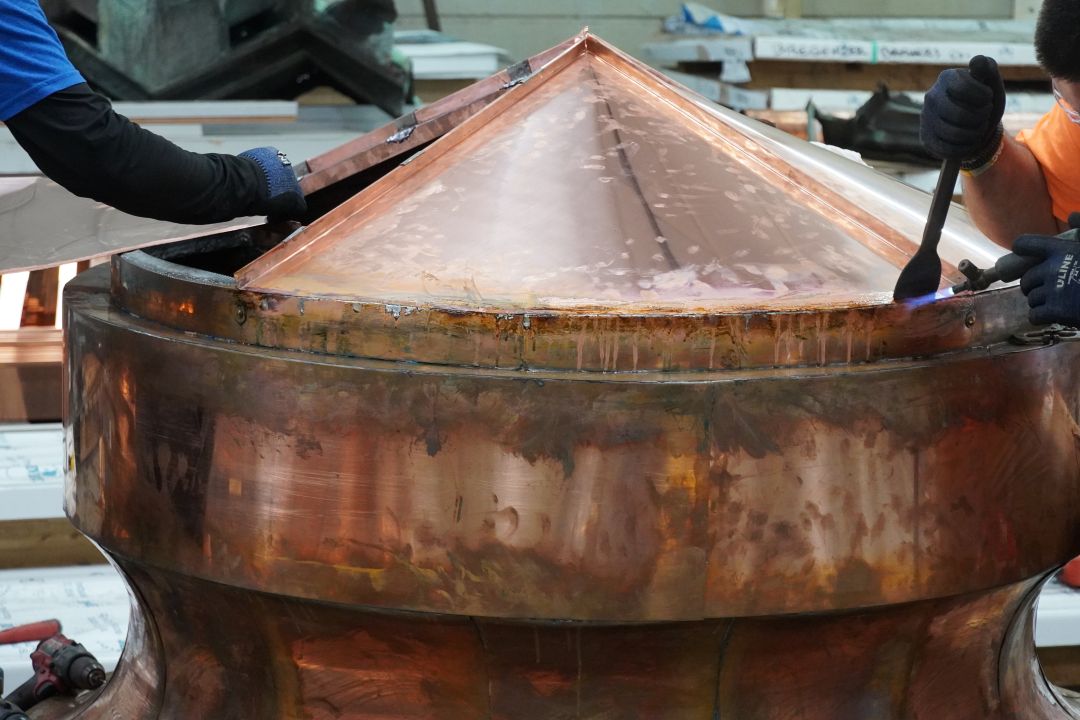
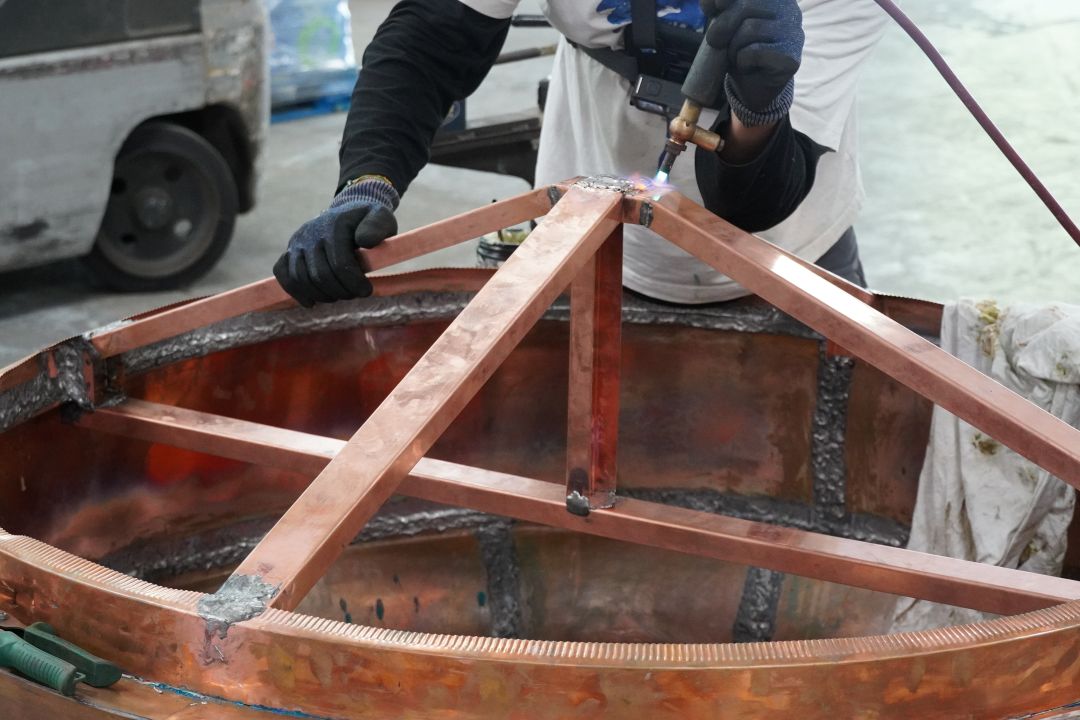
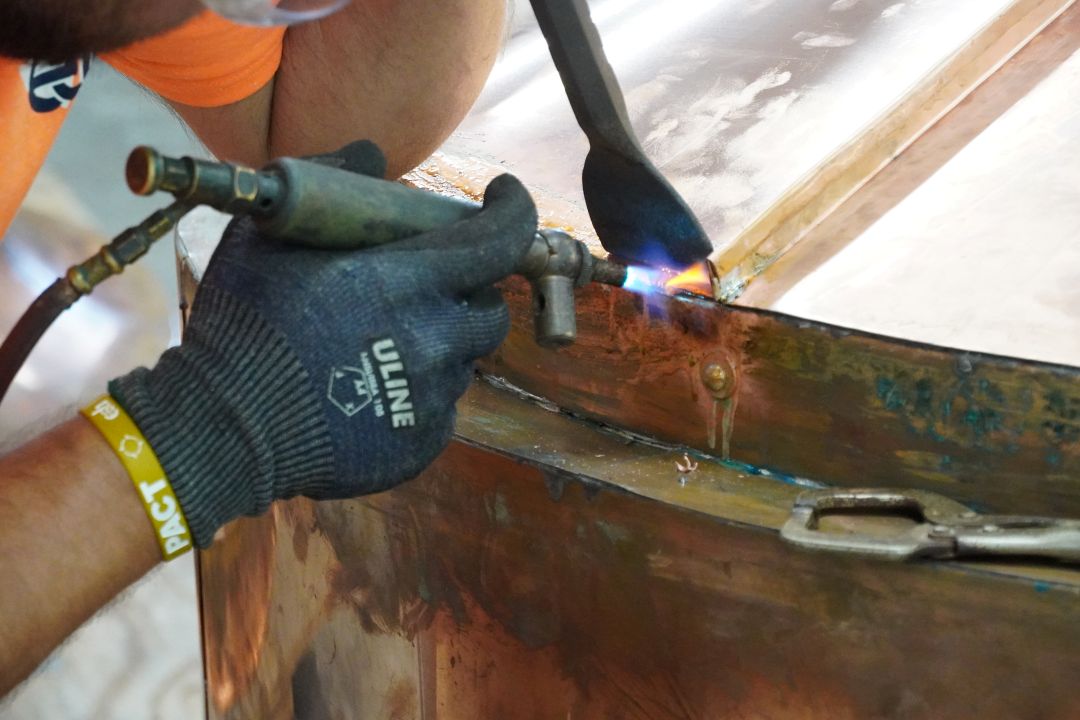
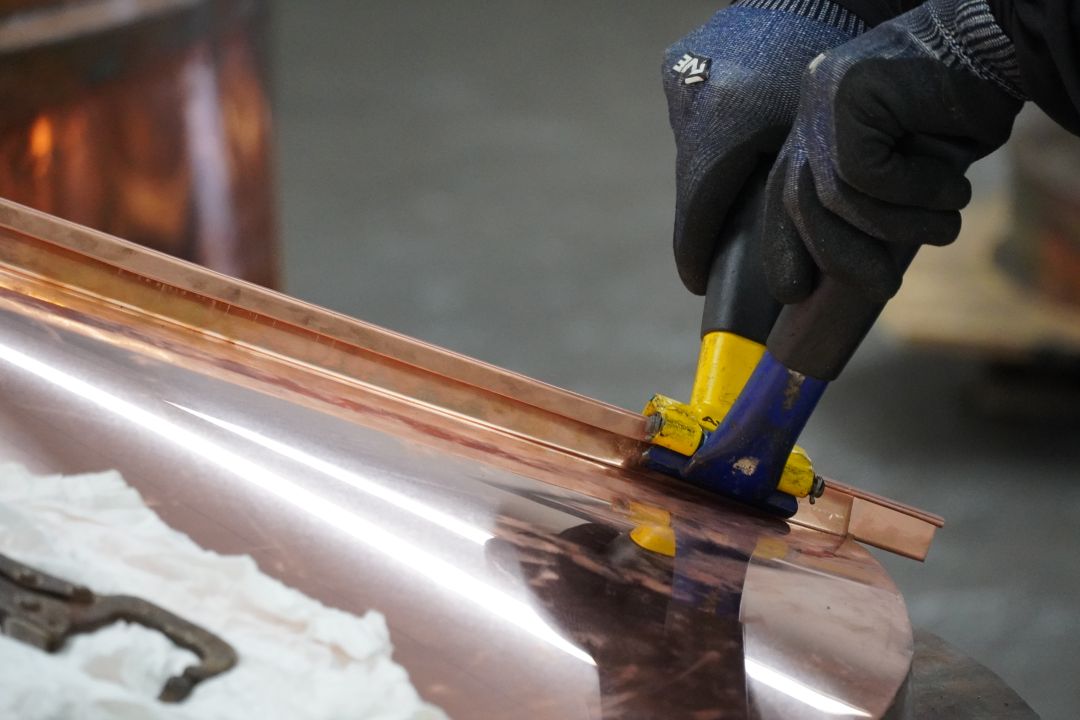
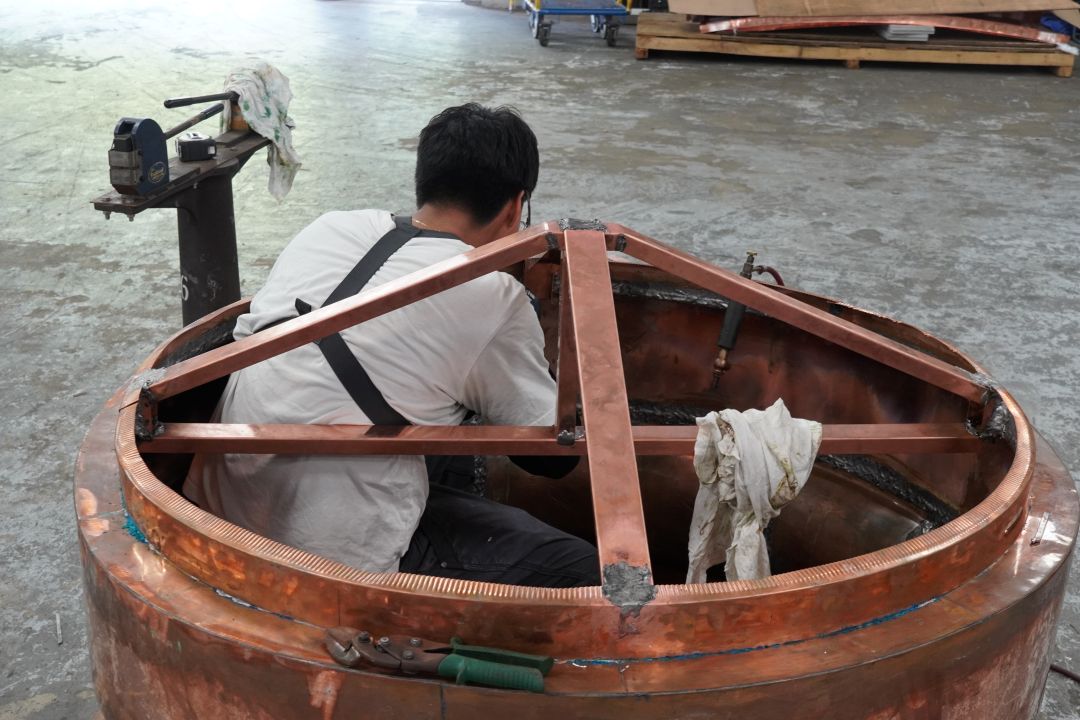
The team begins by forming the base of each piece before adding the more intricate ornamental features. Flat copper is gradually shaped, smoothed, and joined using specialized metalworking equipment and hands-on techniques. Tools such as the English wheel allow craftspeople to create controlled curves through a series of precise passes.
The process cannot be rushed. Each adjustment affects the final shape, and every seam and connection must work together to create one complete architectural element.
Craftsmanship That Preserves Character
The skill behind each piece can be difficult to appreciate once the finished component is installed. Reproducing historic ornamentation requires patience, a deep understanding of how metal moves, and the ability to translate a weathered original into a newly fabricated piece.
Modern technology may assist with documentation and planning, but the work still relies heavily on the judgment and experience of skilled craftspeople. Shaping the copper, comparing it to the original, making adjustments and connecting the individual sections are all part of a careful, hands-on process.
This specialized craftsmanship is what allows historic buildings to retain the details that make them distinctive. Without teams capable of preserving and recreating these components, much of the character found in early 20th-century architecture could be lost during restoration.
EDA Contractors is proud to help preserve the design and identity of the iconic Hoboken Terminal.
Ready to begin your next project?